
Engaging Communities Through Physics: A Global Perspective (EAT Lab)

Updated: Nov 5, 2025
Physics often feels like a subject confined to classrooms and laboratories, distant from everyday life. Yet, physics has a unique power to bring people together, spark curiosity, and build communities worldwide. From science festivals in Europe to hands-on workshops in Africa, physics connects individuals across cultures and ages. This post explores how physics engages communities globally, highlighting practical examples and the impact of these efforts.
Why Physics Matters to Communities
Physics explains the natural world, from the smallest particles to the vastness of space. It shapes technology, energy, medicine, and more. When communities engage with physics, they gain tools to understand their environment and solve local challenges. This engagement also inspires young people to pursue science careers, fostering innovation and economic growth.
Communities that embrace physics often see:
Increased interest in science education
Greater public understanding of technology
Opportunities for collaboration between scientists and citizens
Enhanced problem-solving skills at the local level
Community Physics Initiatives Around the World
Many organizations and groups use physics to engage people in meaningful ways. These initiatives vary widely but share a focus on making physics accessible and relevant.
Science Festivals and Public Events
Science festivals bring physics to the streets, parks, and public spaces. They offer interactive exhibits, demonstrations, and talks that invite participation.
The European Researchers’ Night takes place annually across Europe, featuring physics experiments and shows that attract thousands.
In India, the Kolkata Science Festival includes physics-themed activities that highlight local innovations.
South Africa’s Science Week offers physics workshops in rural areas, helping bridge educational gaps.
These events create lively environments where curiosity thrives and communities celebrate science together.
Hands-On Workshops and Maker Spaces
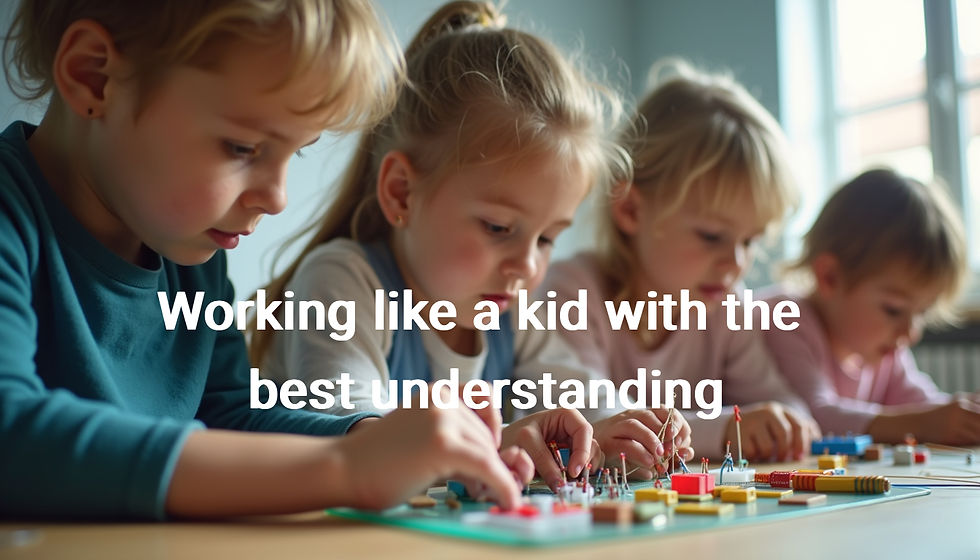
Workshops provide practical experiences with physics concepts. Maker spaces equipped with tools and materials allow participants to build and experiment.
In Brazil, community centers host workshops where youth build simple machines and learn about mechanics.
Japan’s Fab Labs offer physics-based projects like robotics and electronics, encouraging creativity and teamwork.
Kenya’s STEM clubs use physics kits to teach principles of electricity and magnetism in schools.
These hands-on activities make physics tangible and fun, fostering deeper understanding.
Citizen Science Projects
Citizen science involves the public in scientific research, often collecting data or making observations.
The Globe at Night project invites people worldwide to measure light pollution using simple tools, linking physics with environmental awareness.
Seismology networks in countries like Chile and Japan engage locals in monitoring earthquakes, combining physics with safety.
Astronomy clubs in many countries organize star-gazing nights, teaching optics and celestial mechanics.
These projects empower communities to contribute to real science while learning physics concepts.
Impact on Education and Social Development
Engaging communities through physics has measurable benefits in education and social development.
Improving Science Literacy
Physics engagement helps demystify science, making it less intimidating. When people see physics in action, they understand its relevance.
Studies show that students involved in physics outreach programs score higher in science tests.
Parents and teachers report increased enthusiasm for science among children after community events.
Informal learning environments encourage lifelong curiosity beyond formal schooling.
Encouraging Diversity and Inclusion
Physics communities that reach out to underrepresented groups help close gaps in science participation.
Programs targeting girls and young women in countries like Egypt and Mexico have increased female enrollment in physics courses.
Rural outreach in countries such as Nepal brings physics education to areas with limited resources.
Inclusive events ensure people with disabilities can participate through adapted activities.
These efforts build more diverse and equitable science communities.
Supporting Local Innovation
Physics knowledge supports local problem-solving and innovation.
In Bangladesh, physics workshops on solar energy help communities adopt renewable power solutions.
In Canada, physics-based environmental monitoring informs local conservation efforts.
In Australia, indigenous communities use physics principles to improve water management.
By connecting physics with local needs, communities develop practical skills and sustainable solutions.
How to Get Involved in Community Physics
Anyone interested in physics and community engagement can find ways to participate or start initiatives.
Join local science clubs or astronomy groups.
Volunteer at science festivals or museums.
Organize workshops or talks at schools, libraries, or community centers.
Participate in citizen science projects online or in person.
Support physics education programs through donations or advocacy.
Building connections between physicists and communities enriches both sides and creates lasting impact.
The Future of Physics in Communities
As technology advances, new opportunities emerge to engage communities through physics.
Virtual reality and online platforms can bring physics experiences to remote areas.
Collaborative international projects can connect diverse communities around shared scientific goals.
Emphasis on sustainability and climate science will increase physics’ role in addressing global challenges.
Communities worldwide will continue to benefit from physics as a tool for learning, innovation, and connection.
Physics is more than equations and experiments. It is a bridge that links people, cultures, and ideas. By engaging communities through physics, we create spaces where curiosity grows, knowledge spreads, and collective progress happens. Whether through festivals, workshops, or citizen science, physics offers a universal language to explore and improve our world. The next step is to join or support these efforts, helping physics reach even more communities globally.


Comments